
Introduction: How Nature Travel Improves Mental Health
How Nature Travel Improves Mental Health: Life moves quickly these days. We spend a lot of time in front of screens, our schedules are full, and stress is a normal part of life. People are trying to find better ways to deal with this. A lot of people are talking about the idea of traveling in nature. Research and personal experience show that spending time in nature can help you clear your mind in ways that few other things can.
People say that being in nature is good for your mental health because it helps you relax. You can keep track of how your mental health is changing by focusing on emotional growth and long-term strength. The beach, the mountains, the woods, or even the countryside can help the mind relax, reset, and recover from everything that keeps it busy.
This article talks about the best mental health benefits of being outside. It does this by using real-life examples and scientific and psychological evidence to show how being outside can be good for your mind, body, and social life. The main goal is to make it clear that being outside is a need, not a want.
The Science Behind Nature and Mental Well-Being
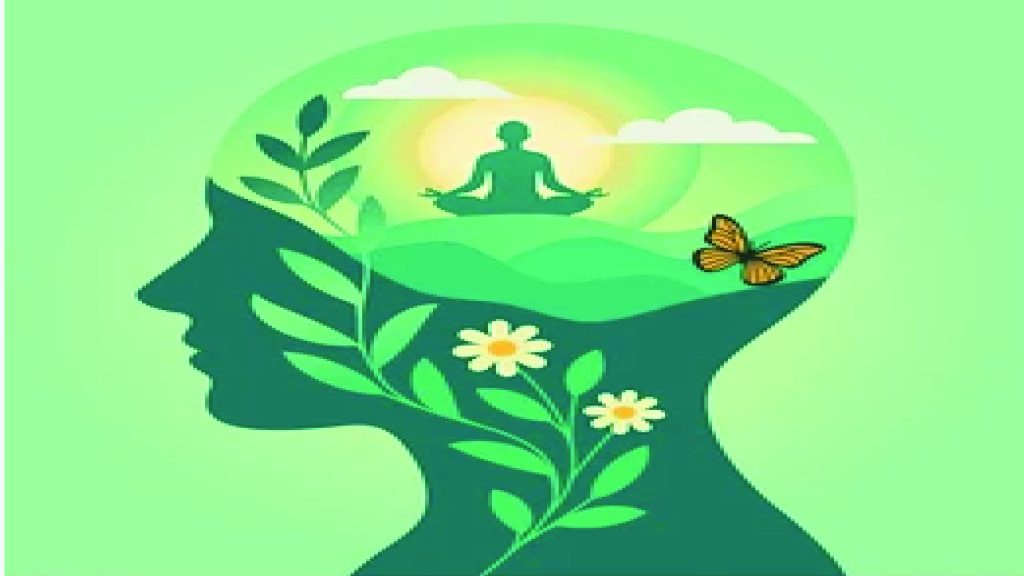
People talk about how nature affects mental health in more than one way. Researchers have found a lot of proof over the last few decades that shows why natural environments have such a big effect on the brain.
How the Brain Responds to Natural Environments
How Nature Travel Improves Mental Health: When people go into natural areas, their brains start working in a different way right away. MRI scans show that the prefrontal cortex, which is linked to rumination and negative thoughts that come up again and again, is less active. Nature gives the brain a break, plain and simple.
The parasympathetic nervous system is also activated by natural environments. This system is in charge of “rest and digest” functions, which help us relax and get back to normal after living in a city where we are always in “fight or flight” mode. People feel calmer, more stable, and mentally clear because of this.
The American Psychological Association says that research shows that being around green spaces can help with memory, attention, and controlling your emotions.
Stress Reduction and Cortisol Levels & How Nature Travel Improves Mental Health
Cortisol, also known as the stress hormone, is very important for mental health. Stress, depression, and burnout are all linked to high levels of cortisol. Being outside while traveling has been shown to lower cortisol levels a lot.
Even a short time outside, like walking through a forest or sitting by water, can lower your blood pressure and heart rate. Over time, these effects add up, making you better able to handle stress. That’s one of the main reasons why people have been talking about how traveling in nature can help mental health when talking about preventive care.
Psychological Benefits of Nature Travel
Traveling in nature has strong psychological benefits that go beyond biology and affect mood, outlook, and emotional stability.
Improved Mood and Emotional Balance & How Nature Travel Improves Mental Health
How Nature Travel Improves Mental Health: People say that the first thing they notice is that they feel better. Fresh air, natural light, and a variety of sensory experiences all help the body make more dopamine and serotonin. These neurotransmitters are important for being happy and stable emotionally.
Nature gives us something that psychologists call “soft fascination,” which is not the same as artificial stimulation. The mind stays busy without getting too much. Think of waves crashing, leaves blowing in the wind, or clouds moving across the sky. These things gently hold your attention, which helps you get better emotionally.
Some important emotional benefits are the following:
- Not as irritable
- More patience
- More hopefulness
- Better understanding of feelings
Anxiety and Depression Relief
Going on trips in nature isn’t a replacement for professional mental health care, but it can be a great addition. Studies consistently demonstrate reduced symptoms of anxiety and mild to moderate depression in individuals who engage in extended durations within natural environments.
Taking a break from the things that stress you out every day can help you stop thinking negatively. Being physically far away from things that stress you out, like work emails, social pressure, and noise, also gives your mind a break. Over time, this can help you learn how to deal with stress and keep your emotions in check.
Mental health groups like the World Health Organization now agree that being around nature is good for your mental health.
Physical Activity, Nature Travel, and Mental Health
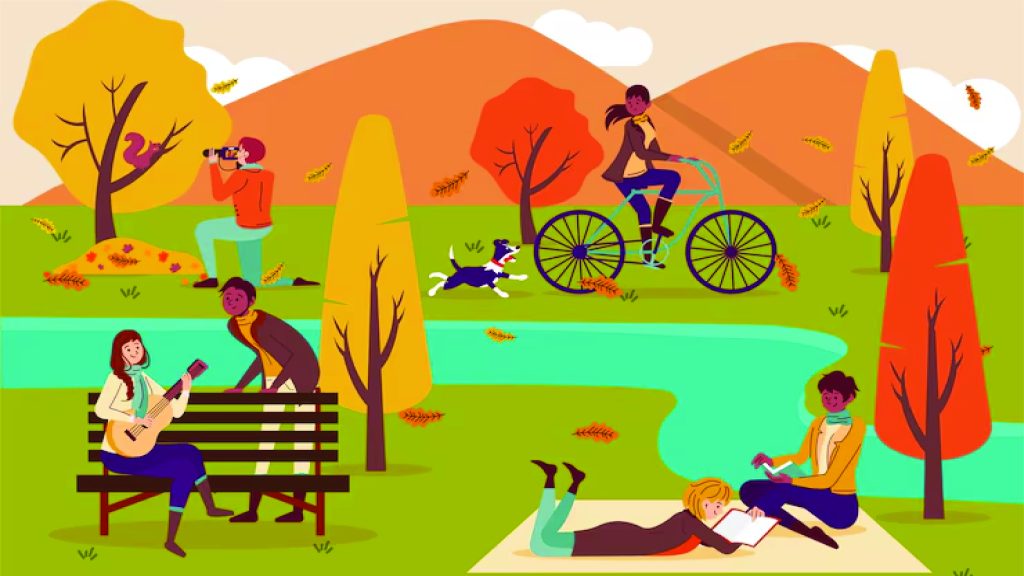
You often have to move when you travel in nature, even if you don’t want to. This part of your body is very important for your mental health.
Movement as a Mental Health Booster
Hiking, swimming, biking, or just walking through new places can all help get more blood to the brain. When you work out, your body releases endorphins, which make you feel better and hurt less.
The setting is what makes activities based on nature work so well. When people are outside in beautiful places, they are more likely to enjoy moving around than when they are stuck inside. This pleasure makes things more stable, which is good for mental health.
When people are in nature, they do some things like:
- Walking and hiking
- Canoeing or kayaking
- Walks to see animals
- Going for a swim or a walk on the beach
All of these things will help you feel better and clear your mind.
Sleep Quality and Energy Levels
How Nature Travel Improves Mental Health: Getting some natural light helps your body keep its circadian rhythms in check. People who travel in nature usually get up with the sun and go to bed after it sets. This alignment improves sleep, which has a direct effect on mental health.
Better sleep leads to:
- More focus
- Less stress
- More stable feelings
- More energy throughout the day
The body resets its natural sleep-wake cycle over the course of a few days, which has effects that last long after you get home.
Social and Emotional Growth Through Nature Travel
It’s not just what’s going on in your head that matters for your mental health. Traveling in nature is good for both making friends and growing emotionally, both of which are important.
Building Connections and Empathy
People often come together and share their experiences when they travel in nature. You can trust and care about each other more when you spend time together, whether it’s finding your way on a trail, setting up camp, or watching animals.
When there aren’t any digital distractions, conversations get deeper. People are more present, pay attention, and share. These links make you smarter about your feelings and less alone.
Traveling in nature also helps people learn about other cultures and communities, which makes them more open-minded and caring.
Mindfulness and Self-Reflection
Being outside helps you notice what’s going on around you. Without noise or clutter, people can notice their thoughts without judging them. People can think about themselves and how they feel in this quiet space.
When you go hiking in nature, you might have these common mindfulness experiences:
- Writing in a journal outside
- Walking without talking
- Being aware of your breath in the wild
- Looking at animals or the land
These habits make you more aware of yourself and stronger emotionally. People often say that their priorities are clearer and they make better choices over time.
Conclusion: Embracing Nature for a Healthier Mind
Nature travel is becoming more popular as a simple way to improve mental health. It offers important benefits like peace, perspective, and rhythm that are often missing from modern life. It helps people find emotional balance and strength..When we stop and listen to nature, that’s when healing begins.
FAQs About Nature Travel and Mental Health
1. How long does it take for traveling in nature to improve your mental health?
Some benefits, like less stress, can happen in just a few hours. Changes in emotions that are deeper usually take a few days.
2. Do I need to go far away to see nature to feel better?
No. Even parks or rural areas that are close by can help if they help you relax from the stress of city life.
3. Does being in nature help kids and teens?
Yes. Studies show that younger people who spend time in nature are better able to focus, feel better, and control their emotions.
4. Can being in nature help people who are tired?
Yes, of course. Being in nature helps your body and mind reset their stress responses and gives you more mental energy, which is very important for getting over burnout.
5. What kind of travel in nature is best for your mental health?
There isn’t a single best option. There are good things about forests, oceans, mountains, and deserts. What you like best is what matters most.
6. How often should people go to the outdoors?
One or two trips a year can help, but going on trips more often, like every month or season, is better for the long term.