
A Tour of the Begum Rokeya Memorial Center in Rangpur
The Begum Rokeya Memorial Center in Rangpur is more than just a place to learn about history; it’s a quiet revolution built of bricks and memories. Not many people visit this memorial in the north of Bangladesh. It is a strong reminder of how one woman fought bravely for women’s rights, education, and respect. If this place had a heartbeat, it would sound like history.
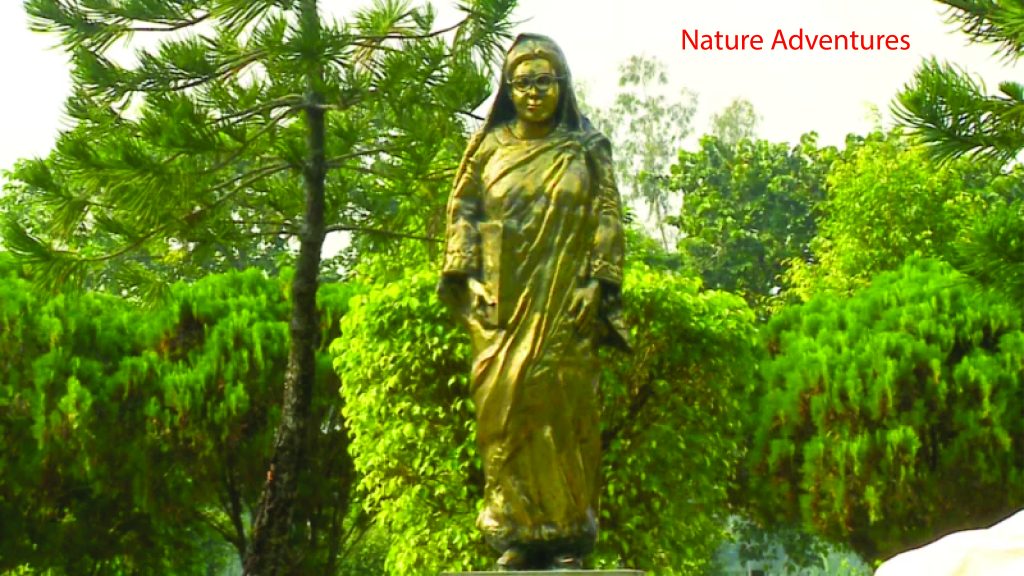
Why Begum Rokeya is Still Important Today
Begum Rokeya’s voice sounds surprisingly modern in a world where gender equality is still a problem. At a time when people were supposed to be quiet, she spoke up for women’s rights. People still talk about her ideas, start movements, and give people power for years to come.
Inside the Begum Rokeya Memorial Center
There are museums, research areas, and cultural spaces at the memorial center to honor her memory. The goal is to help people learn about her life and mission and feel like they know her.
Who was Begum Rokeya?
Family and Early Years
Begum Rokeya was born in 1880 into a very traditional Muslim family in Pairabandh, Rangpur. Back then, people didn’t want girls to go to school, and learning Bengali was often seen as a bad thing. But being curious can let you go.
Getting your mind going and learning
Even though she wasn’t supposed to, Rokeya’s brothers and sisters taught her Bengali and English in secret. She wanted to rebel in a quiet, smart way after learning this way on her own. It changed how she saw the world.
Problems Women Had in Colonial Bengal
People telling you not to talk in public makes it hard to change society. That was how things were for her. She kept going even though social norms, religious conservatism, and colonial structures got in her way.
Begum Rokeya’s Role in Helping Women Gain Power
The first person to teach Muslim women
Begum Rokeya was sure that education was the way to freedom. She said that without it, women would stay dumb and dependent.
Starting Girls’ Schools
She started the first school for Muslim girls in Patna and then in Calcutta. These schools weren’t just places to learn; they were ways to get away.
Making the world a better place by teaching people
Rokeya didn’t think of education as grades or degrees. It was about helping women learn how to fit in with society, think, and ask questions.
Literature and Philosophy
Sultana’s Dream and Feminist Utopian Ideas
Her most famous book, “Sultana’s Dream,” turns the world on its head. Women run the world, and men stay home. Does that sound brave? It changed everything.
Essays about gender equality
In essays like Abarodhbasini, she used logic, humor, and sharp observation to show how dumb purdah and gender discrimination are.
Using logic and satire
She didn’t yell. She thought about it for a while. People could see themselves in her words, just like they could see themselves in a mirror.
The Begum Rokeya Memorial Center is in Rangpur.
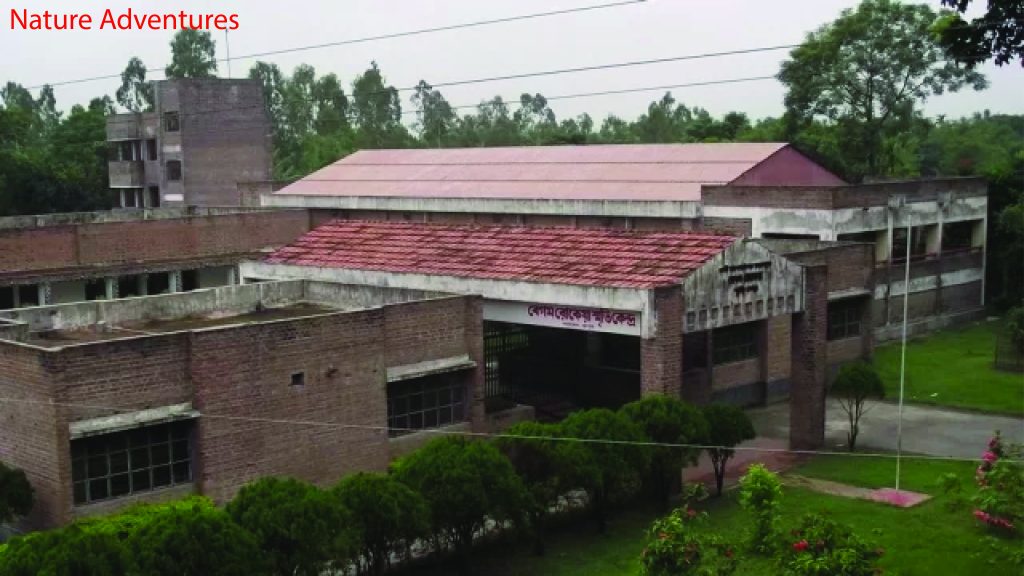
The memorial is in the village of Pairabandh, where she was born. It feels like going back to the beginning of her journey when she stands there.
The government and the establishment taking action
The government of Bangladesh built the memorial to honor her work and make sure that future generations remember her.
What the Memorial Is For
The goal is simple but powerful: teach, inspire, and remind people that one brave voice can often start a change.
Planning and designing buildings
Common Traits of Bengali Architecture
The design is simple and fits with Bengali culture. It combines museum spaces with traditional Bengali architecture in a way that works well.
Museum Spaces and Open Areas
The design has galleries, libraries, and open courtyards, all of which are great places to learn and think.
Design with a Reason
Every corner shows Rokeya’s values of openness, progress, and learning.
One of the best things to see in the Memorial Center
Begum Rokeya Museum
The museum tells the story of her life, her work, and the time and place she lived in.
Things That Were Saved
Letters and other things around the house make the story feel more real.
Pictures and papers that aren’t very common
We can see her life up close through old photos and manuscripts.
Learning and culture through
Workshops and Seminars
People at the center often talk about women’s rights, books, and how to make the world a better place.
Visits to schools and colleges
Students learn how what they learn in school fits into history when they go on tours of historical sites.
Things to Keep in Mind Every Year
To celebrate the anniversaries of her birth and death, people hold cultural events and talks.
Role of Promoting Gender Equality
A Spark for Modern Feminism in Bangladesh
Many women’s groups get their ideas from what Rokeya wrote.
Effect on Young Women
The story says to young girls, “You can do it too.”
Programs for Social Awareness
The memorial tries to promote gender equality by talking to people.
Visitor Information for Begum Rokeya Memorial Center
Where Is the Begum Rokeya Memorial Center Located and How to Get There
You can drive from the city of Rangpur to Pairabandh. Public transportation makes it easy to get around.
Hours of Operation and Admission Costs
Most of the time, the memorial is open during the day and doesn’t cost much or anything to get in.
The Best Time to Go
Winter is the best time to go.
Tips for People Who Are Coming
What to bring and wear
Wear clothes that are comfortable and don’t show too much skin. If you want to write down your thoughts, bring a notebook and some water.
Taking Pictures: The Rules
You might not be able to take pictures in some places. Always ask first.
Respecting the Area
Remember that this is a place with a lot of history and respect.
Things to do near the Rangpur
Tajhat Palace
A lovely building nearby.
Zoo in Rangpur
Great for family visits.
Cultural Places in the Area
Visit local markets and restaurants that serve food from your culture.
The Memorial’s Role in the National Identity
Begum Rokeya as a representation of the nation
She represents bravery, intelligence, and progress.
What role does it play in keeping history alive?
The memorial safeguards a crucial aspect of Bangladesh’s social history.
Learning while traveling
People from all over the country come to see it, including researchers, students, and history buffs.
Problems and Growth in the Future
Problems with keeping things safe
It’s always hard to keep it up, just like with other old places.
Ways to Grow
If there were interactive displays and libraries, people might be more interested.
Storing Digital Files
If she made her work digital, it would reach more people all over the world.
The End
The Begum Rokeya Memorial Center is more than just a place to go; it’s a place where the past and the present come together. You feel like you’re shaking hands with history and promising to learn from it when you go there. If you care about education, equality, or just hearing good stories about people, you should definitely go here.
Questions and Answers
1. Where can I find the Begum Rokeya Memorial Center?
Bangladesh’s Rangpur district is home to the village of Pairabandh.
2. What role did Begum Rokeya play in the history of Bangladesh?
She was one of the first people in South Asia to care about women’s education and rights.
3. Is the memorial good for students?
Of course. It teaches and motivates people of all ages.
4. What do people see when they get to the memorial?
Museums, personal items, pictures, and exhibits that teach.
5. Do you have to pay to get in?
Most of the time, getting in doesn’t cost much or is free.